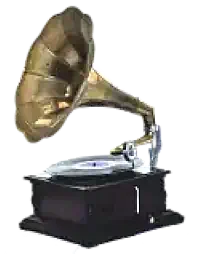
Vintage Phonographs
The Invention That Transformed Sound
The phonograph, introduced by Thomas Edison in 1877, revolutionized how people experienced recorded sound. This groundbreaking device marked the first time audio could be captured and played back, forever changing entertainment and communication. Its arrival signaled a major leap in audio technology and left a lasting cultural imprint.
How Edison’s Phonograph Worked
Edison’s early phonograph used a tinfoil‑covered cylinder and a stylus that etched sound vibrations into the surface. When the cylinder was rotated again, the grooves reproduced the recorded audio. Edison famously tested the invention by recording “Mary Had a Little Lamb,” creating the first recorded sound in history and demonstrating the device’s remarkable potential.
The Phonograph’s Enduring Legacy
The phonograph paved the way for modern audio devices and helped make music accessible to the public. Its influence shaped future innovations, preserved voices from the past, and introduced new forms of entertainment. Today, vintage phonographs are cherished collectibles that highlight the humble beginnings of recorded sound and the technological progress that followed.
Vintage Phonographs
Classic Sound Recording & Playback

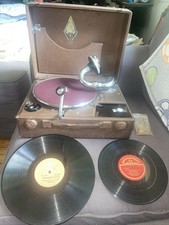


The Talking Machine An Illustrated Compendium 1877 to 1929 Topping off this award-winning combination is a music CD featuring some of the rarest and most historically important recordings of all time.

 '
'