Standing Liberty Quarters
Origins of the Design
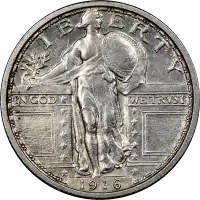
The Standing Liberty quarter, introduced in 1916, represented a bold artistic shift in early 20th‑century U.S. coinage. After decades of the Barber design, the Mint sought a fresh, symbolic look and held a national competition. Sculptor Hermon A. MacNeil won with his dynamic portrayal of Lady Liberty standing with a shield and olive branch, embodying both national strength and the pursuit of peace. The first 1916 issue featured Liberty with an exposed breast, sparking public debate and prompting a redesign in 1917 that added chainmail for modesty.
Design Changes and Production Challenges
MacNeil’s original high‑relief design, while visually striking, caused significant minting difficulties. The dies wore down quickly, leading to inconsistent strikes and prompting further modifications in 1925 to improve durability and clarity. These adjustments created multiple collectible subtypes, each reflecting the Mint’s efforts to balance artistic ambition with practical production needs. Despite these challenges, the Standing Liberty quarter remained one of the most visually expressive designs in U.S. coinage history.
Collector Appeal and Rarity
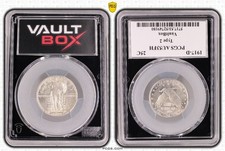
Minted until 1930, the series includes several highly sought‑after dates, most notably the low‑mintage 1916 issue and the famous 1918/7‑S overdate. Collectors also prize examples with sharp “Full Head” details, which command significant premiums due to their scarcity. Certified coins from PCGS or NGC offer added confidence and often higher market value. Blending artistry, symbolism, and historical significance, the Standing Liberty quarter remains a cherished numismatic treasure and a powerful reflection of America’s early 20th‑century ideals.
United States Quarters
Rare State Quarters, Silver & Collectible Coins





Comprehensive Reference – Covers Mercury dimes, Standing Liberty quarters, and Liberty Walking half dollars, minted from 1916 to 1947. Hundreds of high-resolution, full-color photographs

 '
'