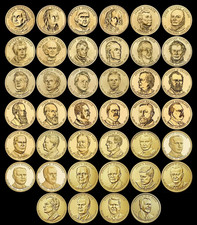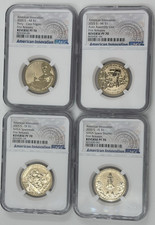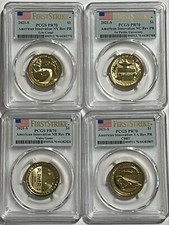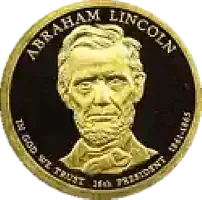
United States Modern Dollar Coin

Introduction to Modern Dollar Coins

The modern United States dollar coin, often called the Sacagawea or Native American dollar, debuted in 2000 as a replacement for the underused Susan B. Anthony dollar. Its golden color and distinct size were designed to prevent confusion with the quarter. The coin quickly became an important part of America’s contemporary coinage, offering a fresh design and renewed focus on cultural representation.

Design and Purpose

The obverse features Sacagawea carrying her infant son, symbolizing guidance, courage, and the spirit of exploration. The reverse changes annually, highlighting Native American achievements, traditions, and contributions—from agriculture to art and diplomacy. Although the Mint introduced the coin to encourage wider use of dollar coins, public preference for paper dollars limited its circulation. Still, its unique appearance and rotating designs have made it a favorite among collectors.

Collector Appeal and Ongoing Legacy

In recent years, most modern dollar coins have been produced primarily for collectors rather than general circulation. Their annual design changes, special mint marks, and proof editions attract hobbyists who enjoy building complete series. While the coin never fully replaced the dollar bill, it remains a meaningful part of U.S. numismatics. With each new issue, the modern dollar coin continues to honor America’s diverse heritage and maintain its place in the collecting world.

United States Dollars

Morgan, Peace & Modern Dollar Coins

Select a category above to explore dollar coins

A Guide Book of Modern U.S. Dollar Coins - Features hundreds of full-color coin photos plus rare behind-the-scenes historical images.


Guide Book of Morgan Silver Dollars 7th Edition Includes updated retail pricing in up to 14 grade levels for every date and mintmark

Origins and Design Competition

The origins of the Sacagawea dollar coin date back to 1997, when the United States Mint initiated a competition, a competition not just for designs but for an emblem of honor, one that would pay tribute to the invaluable contributions of Native Americans to the nation’s rich history and diverse culture. The winning design of the Sacagawea dollar coin was a testament to the artistry and heritage of Native Americans. Crafted by the talented sculptor Glenna Goodacre, the coin bore a portrait of Sacagawea, a remarkable Shoshone woman. Her pivotal role as a guide and interpreter during the Lewis and Clark Expedition in the early 19th century made her an iconic figure in American history. Sacagawea’s image on the coin serves as a lasting tribute to her significant contributions to the nation’s exploration and the expansion into the western frontier.

Sponsored Resource

Official Release and Distinctive Appearance

The official release of the Sacagawea dollar coin for circulation took place on January 27, 2000, with a grand ceremony held at the Smithsonian Institution’s National Museum of American History in Washington, D.C. The coin bore a distinctive golden hue, which set it apart from other denominations, and featured a smooth edge adorned with a series of grooves. This distinctive edge design made it easily distinguishable in the pockets of Americans, reducing confusion and the likelihood of it being confused with the quarter.

Symbolism and Practical Features

The choice of gold color and the unique edge of the Sacagawea dollar were not merely aesthetic considerations but rather important design elements that emphasized the coin’s distinctiveness. The golden hue was a nod to the richness of Native American culture and history, while the grooved edge was a practical feature that aided in tactile identification, particularly for those with visual impairments.