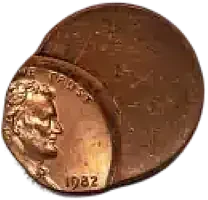
United States Error Coins
Error coins are the happy accidents of the U.S. Mint — rare deviations from the standard minting process that transform ordinary change into extraordinary collectibles. From off-center strikes to legendary doubled dies, this guide covers everything you need to know to find, identify, and value mint errors.
What Are Error Coins?
Error coins result from mistakes during the minting process that allow a defective coin to escape quality control and enter circulation. Unlike varieties — which are intentional or incidental design differences — errors are unintended mechanical failures. They can occur at any of the three main stages of production: planchet preparation, die creation, or the striking process itself.
Because the U.S. Mint produces billions of coins annually, errors are statistically inevitable. Most are caught before release, which is precisely what makes the ones that escape so desirable. Every error coin is unique evidence of a breakdown in one of the most tightly controlled manufacturing processes in existence.
Error Types & Value Ranges
Values vary enormously based on error type, denomination, date, severity, and condition. This table provides a general market overview — individual coins may sell significantly higher or lower depending on eye appeal and collector demand.
| Error Type | Cause | Rarity | Typical Value Range |
|---|---|---|---|
| Blank / Planchet | Unstruck metal disc escaped | Common | $2 – $25 |
| Clipped Planchet | Blanking punch overlap on strip | Moderate | $10 – $100+ |
| Wrong Planchet | Struck on different denomination blank | Very Rare | $500 – $5,000+ |
| Off-Center Strike | Planchet misaligned in press | Moderate | $10 – $1,000+ |
| Broadstrike | Struck without collar ring | Scarce | $15 – $150 |
| Die Clash | Dies struck without planchet | Common | $5 – $75 |
| Doubled Die | Hub misalignment during die creation | Varies | $20 – $100,000+ |
| Die Cud | Die edge breaks off | Scarce | $50 – $300 |
| Bonded Pair | Two planchets fused during strike | Extremely Rare | $1,000+ |
| Major Doubled Die (key date) | Hub misalignment, famous variety | Legendary | $1,500 – $100,000+ |
Browse thousands of certified and raw error coins currently available — from affordable clipped planchets to rare doubled dies.
🛍️ Shop Error Coins on eBay 📚 Error Coin Books on AmazonExplore Error Types by Category
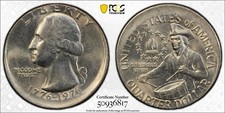
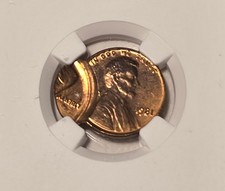
Use the interactive explorer below to browse specific error categories. Click any error type to see a description, rarity rating, value range, and live eBay listings.






Hall of Fame Error Coins
A handful of U.S. error coins have achieved legendary status among collectors — commanding five and six-figure prices at major auctions and appearing in virtually every advanced numismatic collection. Here are three that every serious collector should know.
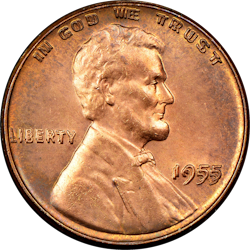
1955 Doubled Die Lincoln Cent
The most famous error coin in American history. The doubling on LIBERTY, IN GOD WE TRUST, and the date is visible to the naked eye. Approximately 20,000–24,000 entered circulation through vending machines in the Northeast.
🛍️ View on eBay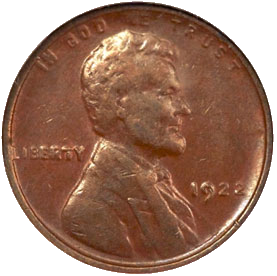
1922 Plain "No D" Lincoln Cent
Denver was the only mint striking cents in 1922. Excessive die polishing removed the D mint mark from some dies, creating coins that look like Philadelphia strikes. Three die varieties exist — the strongest "No D" commands the highest premiums.
🛍️ View on eBay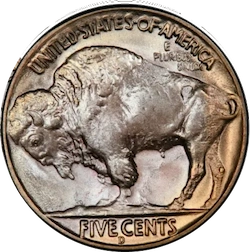
1937-D Three-Legged Buffalo Nickel
Overzealous die polishing at the Denver Mint removed the buffalo's front right leg. Rather than discard the die, production continued — creating one of the most visually striking and instantly recognizable errors in U.S. coinage history.
🛍️ View on eBayIn-Depth Coin Profiles
1955 Lincoln Doubled Die Cent
The 1955 Double Die Lincoln Cent stands as one of the most dramatic and recognizable mint errors in American coinage history. Created when a misaligned hub struck the working die twice during production at the Philadelphia Mint, this error resulted in a spectacular doubling effect visible to the naked eye, most prominently on "LIBERTY," "IN GOD WE TRUST," and the date "1955" where a distinct shadow image appears offset from the primary strike. Approximately 20,000 to 24,000 of these error cents entered circulation through cigarette vending machines in the northeastern United States, and when first discovered, many Americans assumed they were counterfeits due to their unusual appearance.
The U.S. Mint initially considered recalling the coins but ultimately decided against it, determining that the error posed no threat to the currency system. Today, this iconic error coin commands impressive premiums in the numismatic market, with circulated examples trading for several hundred to over a thousand dollars, while high-grade uncirculated specimens can fetch $10,000 to $20,000 or more, making it a cornerstone piece for serious Lincoln cent collectors.
Find certified and raw examples of the 1955 Doubled Die cent from professional sellers worldwide.
🛍️ Shop 1955 DDO Cents on eBay1922 Plain "No D" Lincoln Cent
The 1922 Plain Lincoln Cent, also known as the "No D" variety, emerged from a unique confluence of circumstances at the Denver Mint during a challenging production year when Denver was the only mint striking Lincoln cents. Working under pressure to meet demand with worn dies, mint workers continued using dies that had been polished multiple times to remove clash marks and surface defects, and this excessive polishing gradually obliterated the "D" mint mark on some dies, creating cents that appeared to have been struck at Philadelphia when they were actually Denver products.
Three distinct die varieties exist, with the strongest "No D" variety showing virtually no trace of the mint mark, and depending on condition and die variety, these coins can command prices ranging from several hundred dollars in lower grades to over $20,000 for gem uncirculated examples.
The 1922 No D cent is one of the most sought-after Lincoln cent varieties — browse current offerings here.
🛍️ Shop 1922 No D Cents on eBay1937-D Three-Legged Buffalo Nickel
The 1937-D Three-Legged Buffalo Nickel represents one of the most visually striking and easily identifiable error coins in American numismatics, originating at the Denver Mint when an overzealous die polishing operation removed critical design elements from the reverse die, including the buffalo's front right leg and much of the inscription below. Rather than discarding the damaged die, production continued, creating thousands of nickels depicting a three-legged buffalo — an anatomical impossibility that makes this error instantly recognizable even to novice collectors.
The Denver Mint struck approximately 17 million Buffalo nickels in 1937, but only a small fraction show the three-legged variety, with estimates suggesting perhaps 5,000 to 10,000 were released into circulation. Today, values range from around $500 for heavily worn examples to $5,000 or more for coins in uncirculated condition, while premium gem specimens have sold for over $100,000 at major auctions.
The Three-Legged Buffalo is essential for any serious Buffalo nickel collection — find yours here.
🛍️ Shop 1937-D Three-Leg Nickels on eBayFrequently Asked Questions
How do I know if my coin is a genuine mint error or just damage?
This is the most common question in error coin collecting. Genuine mint errors occur before the coin leaves the Mint — the metal flows naturally around the flaw, edges are smooth and rounded, and the error is consistent with a known mechanical failure. Post-mint damage (PMD) is caused after the coin enters circulation — look for sharp edges, file marks, tool marks, or signs that metal was removed rather than displaced. A 10x loupe is essential. When in doubt, submit to PCGS or NGC for professional authentication.
Are error coins worth getting graded by PCGS or NGC?
For any error coin worth $100 or more, professional grading is strongly recommended. PCGS and NGC both authenticate error coins and assign grades, which dramatically increases buyer confidence and resale value. Certified error coins in holders typically sell for 30–100% more than raw examples of the same coin. For common, lower-value errors like minor die clashes, grading costs may not be justified.
What are the easiest error coins to find in circulation?
Die clashes, minor doubled dies, and repunched mint marks are the most commonly found errors in circulation or in coin rolls. Off-center cents and state quarter errors also turn up regularly. The best hunting grounds are coin rolls from your bank — order $25–$50 face value in pennies or nickels and search them systematically. Older coins from the 1960s–1990s tend to have more surviving errors since quality control was less rigorous than modern production.
What makes off-center coins more or less valuable?
Two factors drive off-center coin values: the percentage off-center and whether the date and mint mark are still visible. A 50% off-center strike with a full visible date can be worth 10x more than the same coin at 10% off-center with no date visible. For Lincoln cents and Jefferson nickels, off-center errors from the 1940s–1960s command the highest premiums. Modern off-center coins from the 1980s onward are more common and less valuable.
Can I find valuable error coins in pocket change?
Yes — it happens more often than most people think. The 2004 Wisconsin extra leaf quarters, 2005 Speared Bison Jefferson nickel, and various doubled die cents from the 1990s have all been found in circulation. While the legendary errors like the 1955 DDO are essentially impossible to find in change today, minor doubled dies, die clashes, and off-center strikes still escape into circulation annually. Checking your change carefully costs nothing and occasionally pays off significantly.
What is the difference between a doubled die and machine doubling?
This distinction is critical for collectors. A doubled die occurs during die creation when the hub imprints on the die at two slightly different angles — the doubling is sharp, distinct, and three-dimensional on the finished coin. Machine doubling (also called strike doubling or mechanical doubling) is a worthless manufacturing artifact that occurs during striking — the doubling appears flat, shelf-like, and washed out. Machine doubling adds no premium. Doubled dies can add hundreds to thousands of dollars in value. Always compare against known doubled die images before assuming you have a valuable variety.
Ready to start or expand your error coin collection? Browse thousands of authenticated and raw error coins across all denominations and error types.
🛍️ Shop All Error Coins on eBay 📚 Error Coin Price Guides on Amazon
A Comprehensive Guide to Unlock Hidden Value in America’s Rarest Mint Errors and Variations. This comprehensive guide will equip you with the insider knowledge and expert techniques to identify, evaluate, and profit from these rare treasures.
 '
'